TL;DR

Get travel and outdoor gear delivered free with Prime
- Fast, free delivery on millions of items
- Prime Video, Amazon Music and more included
- Member-only deals all year
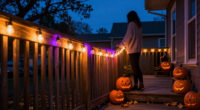
Halloween outdoor string lights add color and atmosphere to porches, yards, trees, and walkways, with options ranging from orange LEDs to themed pumpkin and ghost bulbs. Measure your layout, choose a power source that suits the location, check that the lights and connections are rated for outdoor use, and follow the manufacturer’s directions for installation and strand limits.
One strand of orange lights can turn a plain porch into a glowing Halloween welcome, while a careless cord across the steps can spoil the whole setup. Halloween outdoor string lights make it easy to add color and mood without hauling out oversized props.
This guide explains what they are, how to choose between plug-in, battery, and solar power, and how to plan a display that suits your space. You’ll also get practical installation and safety tips before the first trick-or-treater arrives.
Halloween outdoor string lights can outline porches, paths, fences, and trees with bulbs ranging from classic orange and purple to themed shapes.
Choose plug-in, battery, or solar power based on outlet access, desired runtime, and sunlight at the installation spot.
Measure the lit route and check bulb spacing, cord length, and manufacturer limits before connecting strands.
Use only lights and cords rated for outdoor use, secure strands with suitable clips, and keep cords clear of walkways and flammable decorations.
Use a steady setting for a comfortable glow, supervise children around cords, and keep them closely supervised around pools or other water.
What Halloween Outdoor String Lights Can Do for Your Yard
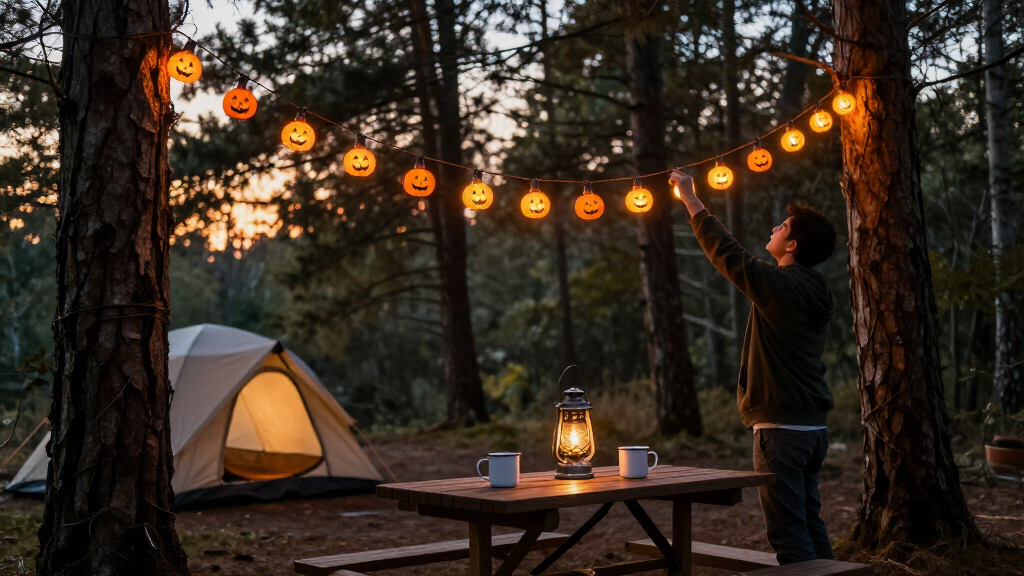
Halloween outdoor string lights are decorative lights designed for exterior spaces such as porches, patios, trees, fences, and yards. They range from simple orange or purple bulbs to pumpkin, ghost, bat, and skull shapes, with effects that may include steady light, twinkling, fading, or color changes.
Their main job is to set a mood and point the eye. A strand along a porch rail can make the entry feel playful; a line of purple bulbs behind bare branches can make the same yard feel more mysterious. Last October, a neighbor used warm orange bulbs around a small porch and left the lawn props in storage. The result felt festive without crowding the walkway.
Think of lighting as the outline around your decorations: it helps people see where the display begins and where they can safely walk. Choose a steady setting if you want an easygoing glow, or use a flashing effect sparingly. Some visitors may find flashing lights uncomfortable, and they can affect people with photosensitive conditions.
Choose a Power Source That Fits Your Setup
Choose plug-in lights for a display near a suitable outdoor outlet, battery-powered lights where you need flexibility, and solar lights where the panel can get strong sunlight. The choice affects more than convenience: it determines how long the display can run, where the lights can go, and how much attention they need during the season. Matching power to the spot early can prevent a dim display or a cord crossing the route guests use.
| Power source | Works well when | Check before buying |
|---|---|---|
| Plug-in | You want continuous power near an outdoor outlet. | Cord route, outdoor suitability, and permitted strand connections. |
| Battery | The display sits far from an outlet or needs a tidy setup. | Estimated runtime, battery type, and whether cold weather affects performance. |
| Solar | You can place the panel in a sunny spot without a cord run. | Charging time, runtime, and how shade or cloudy days affect it. |
For example, a battery set can neatly frame a mailbox at the end of a driveway, where running a power cord could create a trip hazard. Its tradeoff is that you may need to replace or recharge batteries, especially if the lights run for many hours each night. Plug-in lights can provide steady power for a covered porch near an outdoor outlet, but the cord route still needs to stay clear of doors and feet. Solar avoids that route altogether, though a shaded panel or a run of cloudy fall days can mean fewer hours of light after dark. Check the product’s stated runtime and put the panel where it gets as much direct sun as possible.
Remote controls, timers, lighting modes, rechargeable batteries, and app controls are available on some recent designs. These features can make nightly use easier, but they may add setup steps or depend on a particular battery, controller, or phone connection. Check compatibility, setup needs, and operating time so a convenient feature doesn’t become a limitation once the lights are installed.
Pick the Color, Bulb Type, and Effect You’ll Enjoy
Orange and purple give you a familiar Halloween look, while green, red, and blue add contrast or a more theatrical feel. LEDs usually use less electricity, produce less heat, and last longer than comparable incandescent bulbs; incandescent bulbs can give off a warmer, familiar glow but may use more energy and become hotter. That difference matters when a strand will run for hours or sit near paper lanterns and other decorations: lower heat and energy use can be practical advantages, while the appearance and price may still shape your choice.
Consider how the lights will look next to your existing decorations. If you’ve got bright white skeletons on the porch, a few purple bulbs can make them stand out; if your display already has several colors, a steady orange strand may help it feel less busy. A limited palette gives the eye somewhere to rest, while several competing colors and effects can make individual decorations harder to notice. Color is the paint, and the bulbs are your brush.
LEDs suit many outdoor displays, especially where you want lower heat and energy use. Still, the right choice depends on the appearance, budget, and features you want. A small battery set tucked into a paper lantern, for instance, might matter more for its shape and glow than its power savings. Consider the whole arrangement: a bright color-changing strand can be a focal point, while softer, steady bulbs can define an edge without competing with the decorations.
Measure Your Route Before You Buy
Measure the full path from the first bulb to the last, including the route to the power source, before buying a strand. Then compare that measurement with the product’s illuminated length and bulb spacing; the total strand length may include sections without lights. Those unlit sections matter because they can leave an unexpected dark gap or use up length you thought would cover the display.
For a porch, measure along the rail, around any corners, and down to the outlet route. Add a little spare length so you can place the strand without stretching it tight. Tension can pull clips loose or strain the wire, while excess length needs a safe place that won’t sag across the steps. If a package says the lit section is 15 feet, but the path from the outlet around the door and across the rail is 17 feet, one strand may not cover it as you planned.
Use this quick planning sequence:
- Measure the area and mark corners, trees, or rails where you want lights.
- Choose a power source based on outlet access, sun exposure, and how much upkeep you accept.
- Check outdoor suitability and follow the product’s instructions for lights, plugs, and connections.
- Map a safe cord route away from steps, doors, and places where it could be tripped over or damaged.
- Confirm strand limits before connecting sets, and stay within the manufacturer’s directions and the outlet or circuit’s capacity.
This simple check can save a last-minute run to the store. It also helps you avoid discovering that the cord ends at the wrong side of the porch. Planning the route and connection limits together is useful because adding another strand to solve a length problem may exceed what the product allows.
Hang Lights for a Spooky Look and a Clear Walkway
Hang outdoor lights with suitable clips or ties, keep connections off wet ground as the manufacturer directs, and route cords away from walkways, doors, and places where people might catch a foot. Use lights and extension cords intended for outdoor use, inspect them for damage, and keep them away from flammable decorations. These choices affect both the look and the reliability of the display: a supported strand stays in place, while a protected, unobstructed cord is less likely to be pulled, tripped over, or damaged.
Indoor-only lights should stay indoors, even if the forecast looks dry. Outdoor ratings and product instructions tell you how a set is intended to be used; they do not make it suitable for every condition. If the lights or connections become damaged, or the weather goes beyond the stated limits, turn them off and follow the manufacturer’s guidance.
“A good Halloween display glows along the route; it doesn’t put the route itself in the way.”
For example, clip a strand along the top of a porch rail instead of letting it dip over the steps. That keeps the glow visible while leaving the walking surface open. Never use staples or nails that can pierce insulation, and don’t connect more strands than the product permits. Keep children supervised around outdoor lighting and cords, and keep plugs and loose decorations out of reach; light displays never replace active supervision or other drowning-prevention measures around pools or water features.
Keep the Display Comfortable for Guests and Neighbors
A comfortable display gives guests enough light to see the path without shining or flashing into their eyes. Aim bright bulbs toward a wall, tree, or porch rail instead of out toward the sidewalk or a neighbor’s window, and choose a steady setting when visitors may be sensitive to flashing. The goal is visibility and atmosphere at once: glare can make it harder to notice steps, even when the yard itself looks brighter.
Imagine someone walking up with a toddler in one hand and a candy bag in the other. A softly lit path and clearly visible steps help them focus on the door instead of dodging glare or cords. If your yard has a pool or pond, keep children closely supervised around the water; lighting doesn’t prevent drowning.
After the holiday, remove the lights according to the product’s seasonal and weather guidance. Store them clean and dry, and replace or set aside strands with damaged cords or bulbs instead of wrapping them up for next year. A quick inspection before storage helps you spot problems while the setup is fresh in mind, so the next season starts with equipment you already know is in usable condition.
Frequently Asked Questions
Can Halloween string lights stay outside in the rain?
Only if the lights and their connections are rated and installed for the conditions. Read the manufacturer’s instructions, protect plugs as directed, and take the lights down or turn them off if conditions exceed their stated limits.
Are indoor string lights safe to use outdoors?
No. Choose lights explicitly intended for exterior use, and follow the instructions for cords, plugs, and connections. A dry forecast does not make indoor-only lights suitable for outdoor use.
How many Halloween light strands do I need?
Measure the route you want to light and compare it with each set’s illuminated length and bulb spacing. Leave extra room for the path to a power source, then check the manufacturer’s rules before connecting multiple strands.
Do solar Halloween lights work well in fall?
They can, but shorter days, shade, and cloudy weather may reduce charging and nighttime runtime. Put the panel where it gets direct sunlight when possible, and check the manufacturer’s runtime estimate for that set.
Are flashing Halloween lights suitable for every household?
No. Flashing effects may bother some people or affect people with photosensitive conditions. A steady setting can still look festive while making the display more comfortable for guests and passersby.
Conclusion
Plan the route, check the product instructions, and choose a power source that fits the spot. A few well-placed lights can turn a dark porch into a warm orange welcome, with every step still clear underfoot.
Halloween Picks
halloween
As an affiliate, we earn on qualifying purchases.