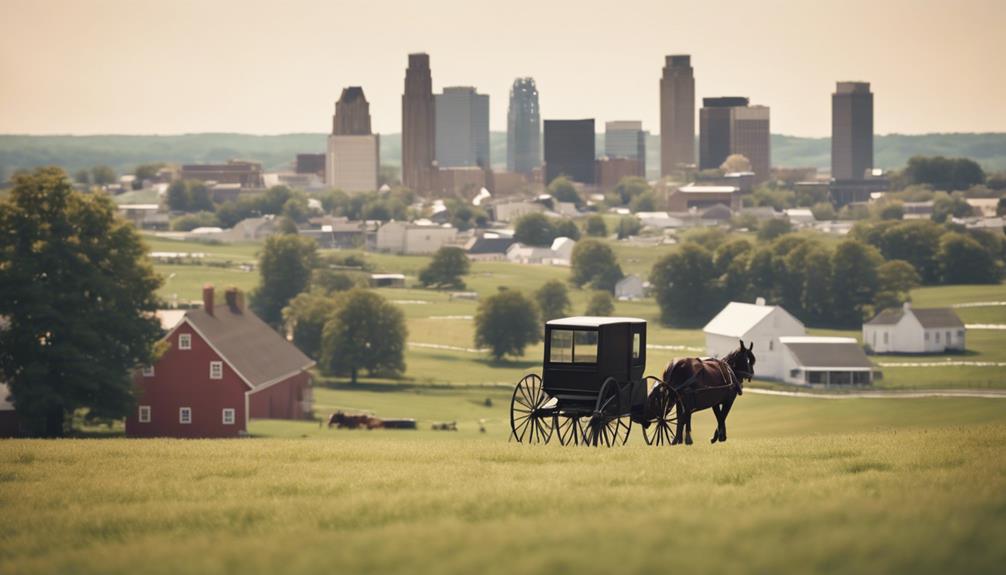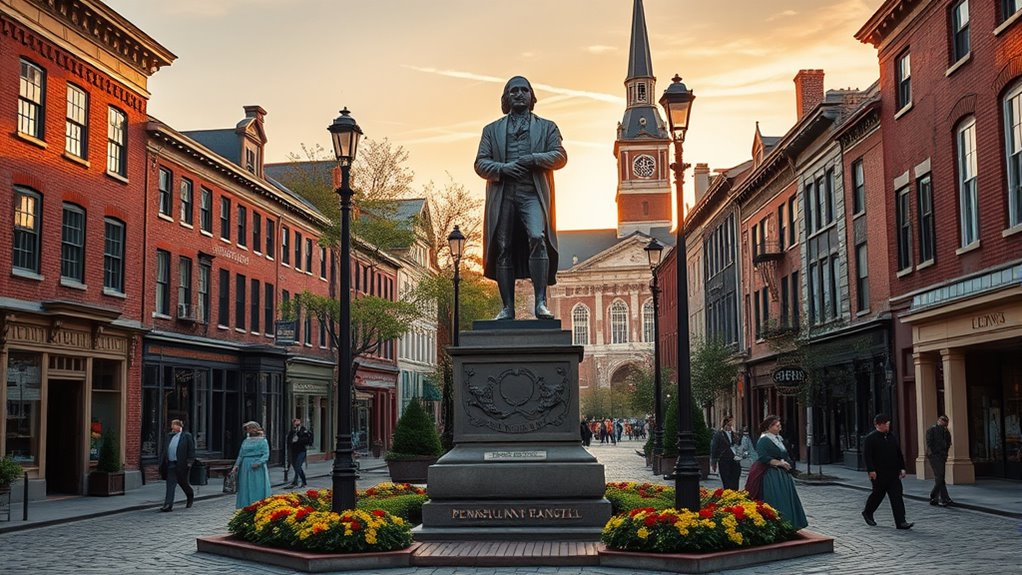

Pennsylvania’s history is rich, beginning with land given by King Charles II to William Penn in 1681. It became a hub for religious freedom, revolutionary ideas, and industrial growth, shaping America’s development. Its diverse communities, from Quakers to Germans and Scots-Irish, created a vibrant culture. The state played a crucial role in independence and innovation, from the first oil well to modern tech advances. Explore further to see how Pennsylvania’s past continues to influence its present.
Key Takeaways
- Pennsylvania was founded in 1681 by William Penn, emphasizing religious freedom and diverse immigrant communities.
- The state played a central role in American independence, hosting the Continental Congress and the Revolutionary War battles.
- Its industrial era began with the first oil well in Titusville (1859), leading to coal, steel, and railroad booms.
- Pennsylvania’s cultural heritage includes historic sites like Independence Hall and Gettysburg, celebrating pivotal moments in U.S. history.
- Modern Pennsylvania blends technological innovation with a rich arts scene, preserving its historical roots while advancing in biotech and robotics.

Pennsylvania Historic Places
Used Book in Good Condition
As an affiliate, we earn on qualifying purchases.
As an affiliate, we earn on qualifying purchases.
Early Settlement and Founding
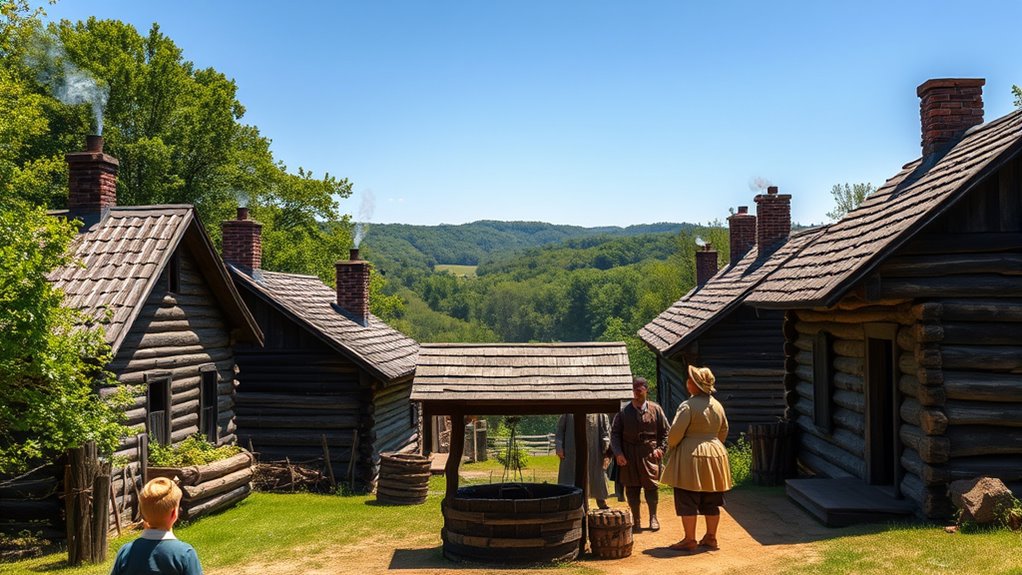
Have you ever wondered how Pennsylvania began? In 1681, King Charles II granted the land to William Penn as repayment for a debt owed to Penn’s father. Penn arrived in North America in 1682 and established Philadelphia as the colony’s capital. Early settlers included Quakers, Germans, Scots-Irish, Welsh, and French Huguenots, all drawn by the promise of religious freedom and tolerance. Native American tribes, mainly Lenape, lived in the region before Europeans arrived, and Penn negotiated land purchases from them to settle early communities. The colony’s founding reflected a desire for religious liberty, attracting diverse groups seeking refuge and new opportunities. These foundations set the stage for Pennsylvania’s growth and importance in American history. Additionally, the diverse origins of settlers contributed to the rich cultural heritage that continues to influence the state today.

Treasure Gurus Metal Independence Hall Model Replica Pencil Sharpener
Add great iconic decor to your desk at home or work, this metal Independence Hall miniature die-cast replica
As an affiliate, we earn on qualifying purchases.
As an affiliate, we earn on qualifying purchases.
Development of Colonial Government and Religious Life
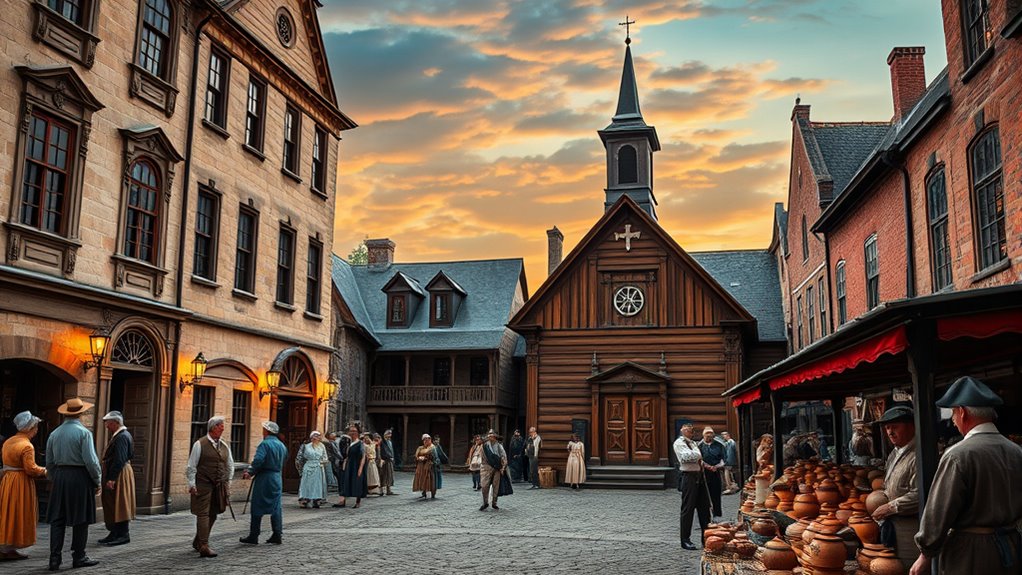
Pennsylvania’s colonial government was established early on with a focus on fostering religious freedom and legislative authority. The Charter of Privileges in 1701 set up a legislative assembly, ensuring colonists had a voice in governance and protecting religious rights. Quakers, who dominated politics initially, prioritized pacifism and tolerance, shaping the colony’s moral framework. Over time, as diverse groups like Germans, Scots-Irish, and others settled, the government adapted to accommodate different beliefs and customs. The colony’s leadership aimed to balance order with religious liberty, banning the importation of slaves later on and gradually shifting away from Quaker dominance as new populations grew. This foundation fostered a tolerant society, emphasizing individual rights and community stability, which influenced Pennsylvania’s development into a progressive and diverse colony. Regular filter maintenance and adherence to guidelines helped preserve the colony’s reputation for fairness and stability.

Colonial Pennsylvania Genealogy Research: Communities and Revolutionary Era Records, 1681-1790 (PA Ancestors Genealogy Guides)
As an affiliate, we earn on qualifying purchases.
As an affiliate, we earn on qualifying purchases.
The Revolutionary Era and State Formation
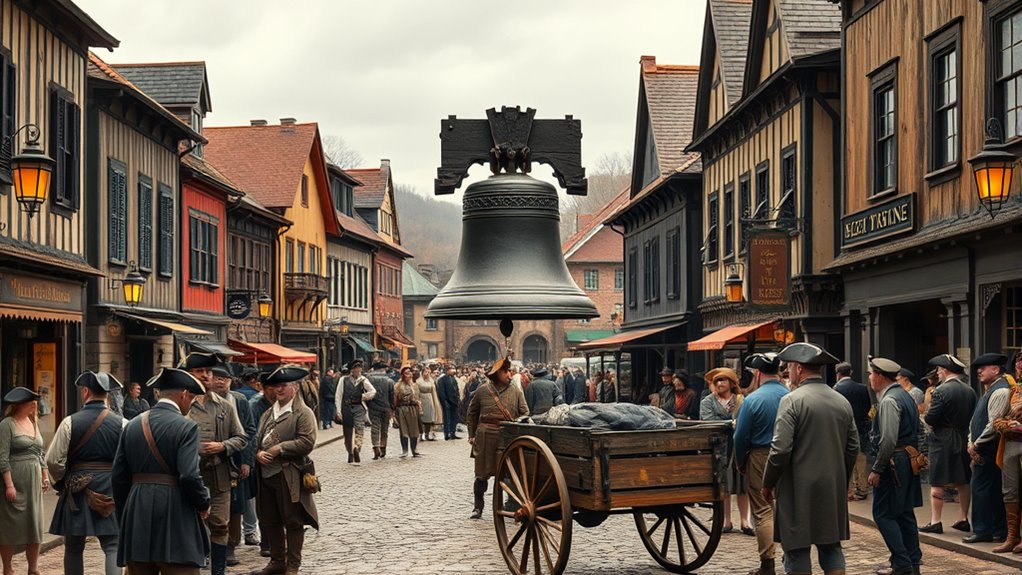
Why did Pennsylvania play such a pivotal role during the Revolutionary Era? Because it was the birthplace of American independence, hosting the Continental Congress and drafting the Declaration of Independence in Philadelphia. You see, Pennsylvania’s diverse population, including Quakers and other groups committed to liberty, fueled revolutionary ideas. The state was the site of key battles like Germantown and Brandywine, shaping the war’s outcome. You also have to remember Valley Forge, where Washington’s troops endured harsh winter conditions, strengthening their resolve. Philadelphia’s role didn’t end with independence; it hosted the Constitutional Convention of 1787, helping shape the new nation’s government. Pennsylvania’s early leadership, activism, and strategic importance made it central to forming the United States.

Guide to Gettysburg Battlefield Monuments
As an affiliate, we earn on qualifying purchases.
As an affiliate, we earn on qualifying purchases.
Industrial Growth and Economic Transformation
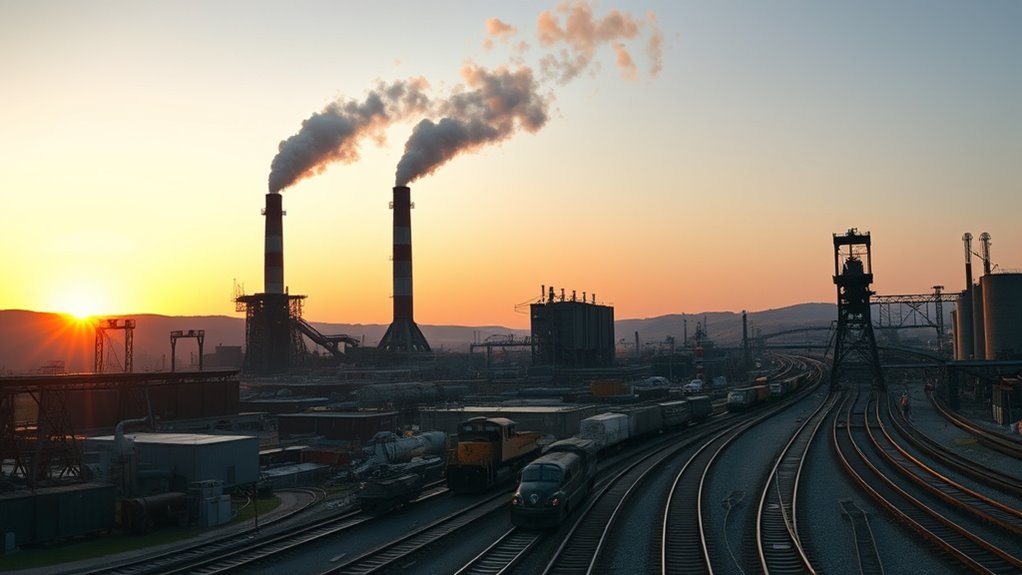
Following its pivotal role in shaping the nation’s founding, Pennsylvania rapidly transformed into an industrial powerhouse during the 19th century. You can see this in three key developments: 1. The drilling of the first commercial oil well in Titusville in 1859, which launched the U.S. petroleum industry. 2. The rise of coal, steel, and railroad industries, especially in Pittsburgh and Philadelphia, fueling economic growth. 3. The 1876 Centennial Exhibition in Philadelphia, showcasing American innovation and industrial strength. This period marked Pennsylvania’s shift from an agrarian society to an industrial hub, attracting workers and entrepreneurs. The state’s natural resources, strategic location, and technological advancements drove its transformation into a leader in manufacturing and energy production. Skincare patches and other innovations played a role in improving quality of life during this era of rapid change.
Modern Pennsylvania: Innovation and Cultural Heritage
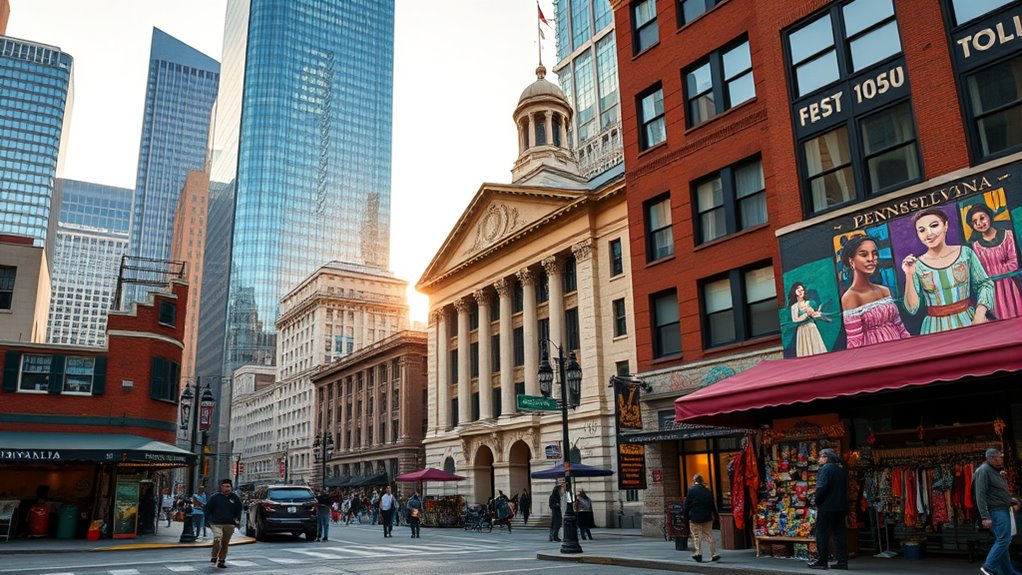
Modern Pennsylvania has transformed from its industrial roots into a hub of innovation and cultural significance. Today, you find a vibrant mix of technology, healthcare, and education industries shaping the state’s economy. Cities like Pittsburgh and Philadelphia lead in robotics, biotech, and digital advancements, reflecting a forward-thinking spirit. Cultural heritage remains strong through preserved historic sites such as Gettysburg and Independence Hall, which remind you of Pennsylvania’s pivotal role in American history. You also see a thriving arts scene, with museums, theaters, and festivals celebrating diverse communities. Universities and research centers drive innovation, fostering new ideas and startups. Pennsylvania’s commitment to balancing progress with its rich historical roots makes it a dynamic state where top projectors for gaming enthusiasts and tradition coexist seamlessly.
Frequently Asked Questions
How Did Pennsylvania’s Diverse Early Settlers Influence Its Cultural Development?
Your early settlers in Pennsylvania brought diverse customs, religions, and traditions that shaped its culture. Quakers emphasized religious tolerance and social equality, influencing local values. Germans and Scots-Irish contributed their language, music, and farming techniques. French Huguenots introduced new crafts, while Native American traditions remained part of the region’s identity. This mix fostered a tolerant, innovative, and culturally rich society that continues to influence Pennsylvania’s character today.
What Role Did Pennsylvania Play in the Abolition of Slavery Nationwide?
Pennsylvania played a pioneering role in ending slavery nationwide by passing the first law for gradual abolition in 1780, setting a precedent for other states. You see, Quakers and abolitionists in the state actively campaigned for emancipation, and Philadelphia became a hub for abolitionist activity. By 1847, slavery was fully abolished in Pennsylvania, making it one of the earliest states to do so, influencing broader national efforts.
How Did Pennsylvania’s Industries Shape Its Social and Political Landscape?
Pennsylvania’s industries acted as the heartbeat of its social and political landscape, pumping energy into the state’s growth. As coal, steel, and oil industries boomed, they fueled urbanization, attracting diverse communities and empowering labor movements. You see, these industries sparked labor strikes and union formation, shaping politics and social change. They transformed Pennsylvania from a quiet colony to a powerhouse, forging a society driven by innovation, struggle, and resilience.
What Are Some Unique Traditions Preserved in Pennsylvania’s Modern Culture?
You’ll find Pennsylvania’s modern culture rich with unique traditions like the Pennsylvania Dutch folk art, quilting, and the celebration of Oktoberfest, reflecting its German heritage. You can experience historic Independence Day celebrations in Philadelphia and the annual Philadelphia Flower Show. The state also preserves Amish customs, including horse-drawn buggies and farm-to-table foods. These traditions connect you to Pennsylvania’s diverse roots, showcasing its vibrant, enduring cultural legacy.
How Has Pennsylvania’s Historic Sites Impacted National Identity?
Your visit to Pennsylvania’s historic sites like Independence Hall and Gettysburg paints a vivid picture of America’s birth and struggles, shaping national identity. These sites stand as powerful symbols of liberty, sacrifice, and democracy, contrasting peaceful landscapes with moments of intense conflict. They remind you of the nation’s roots, inspiring pride and unity, and serve as enduring landmarks that connect past ideals with present values, anchoring America’s story in real, tangible history.
Conclusion
As you explore Pennsylvania’s rich history, you see how its early settlement laid the foundation for a diverse culture. Imagine walking through Philadelphia today, where historic sites stand alongside vibrant innovation hubs. Just like the city’s past shaped its present, your understanding of Pennsylvania’s story connects you to a place fueled by resilience and creativity. This ongoing legacy invites you to appreciate its deep roots and bright future, inspiring you to be part of its continuing story.