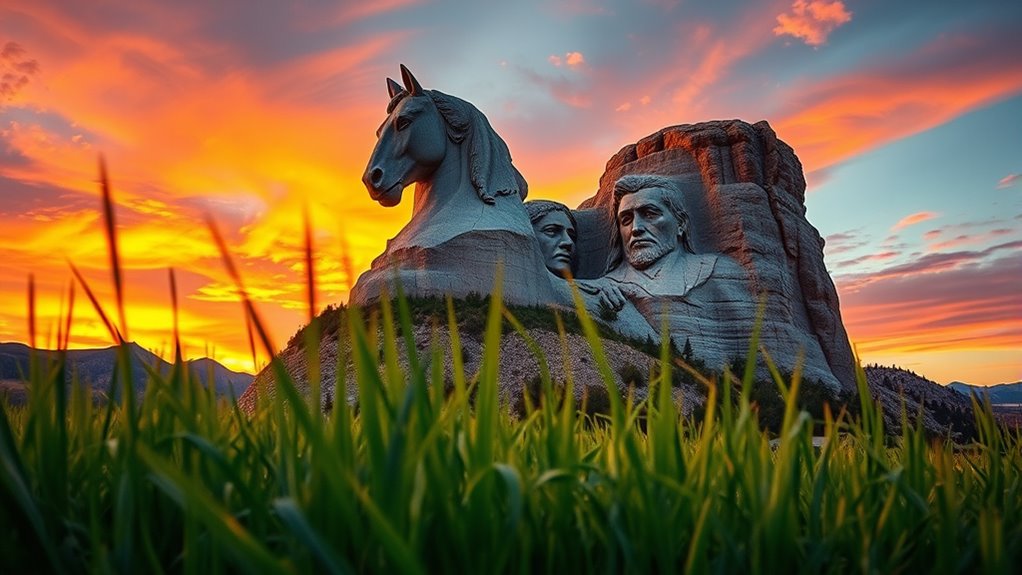

South Dakota’s history and culture are deeply shaped by Native American tribes like the Dakota, Lakota, and Yankton, who have lived there for thousands of years. You’ll see their vibrant traditions in powwows, music, and arts rooted in spiritual and community practices. The land holds sacred sites like the Black Hills and Pipestone Quarry, essential to their identity. Exploring these stories reveals a resilient culture that continues to thrive today—if you look closer, you’ll discover much more.
Key Takeaways
- Indigenous tribes like the Dakota, Lakota, and Yankton have inhabited South Dakota for over 10,000 years, shaping its cultural heritage.
- The Black Hills and Pipestone Quarry are sacred sites central to tribal spirituality and cultural identity.
- Treaties and displacement in the 1800s led to Native American relocations, impacting traditional practices and community cohesion.
- Native languages, arts, and ceremonies are vital for cultural preservation, with ongoing efforts to revitalize these traditions.
- Contemporary initiatives include cultural festivals, language programs, and protection of sacred lands to sustain South Dakota’s Native heritage.

Colorful Native American Powwow Dances and Regalia Premium Tote Bag with Reinforced Stitching
Stunning design showcasing Native American powwow artistry
As an affiliate, we earn on qualifying purchases.
As an affiliate, we earn on qualifying purchases.
Indigenous Peoples and Early Settlement
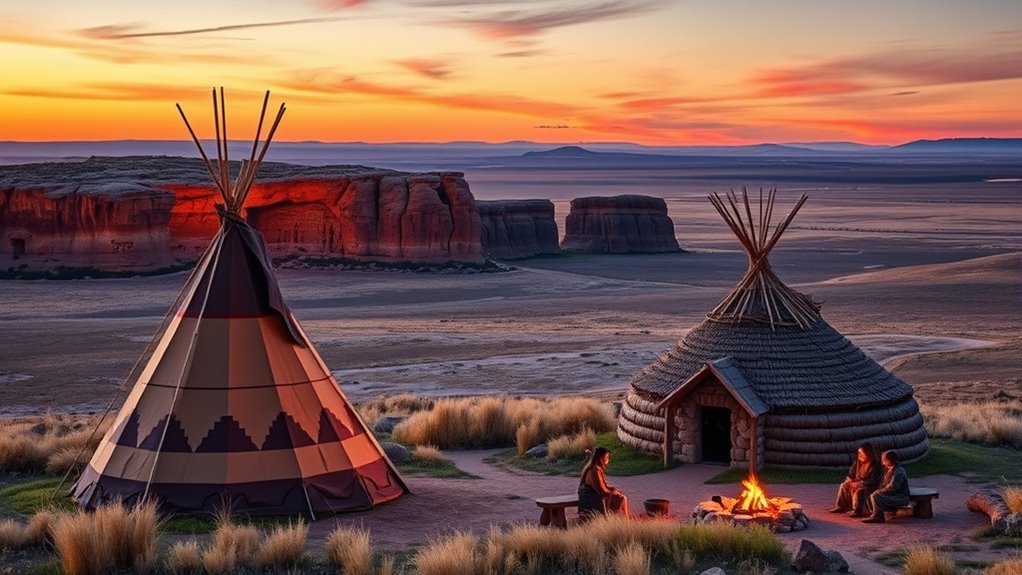
Have you ever wondered who first inhabited South Dakota? You should know that humans have lived here for about 10,000 years. Early peoples hunted bison and large game, relying on these resources for survival. By the early 1700s, the Dakota people, including the Santee, Yankton, Yanktonai, and Lakota, became the dominant groups in the region. They crafted pottery from clay and made wooden bowls with spiritual meanings. Their tools included bows, arrows, and warclubs, essential for hunting and defense. Native tribes also built extensive trading networks and developed rich cultural traditions, such as drum music and ceremonial dances. Over time, their stories, practices, and communities shaped the early history of South Dakota, leaving a lasting legacy still evident today. Additionally, the use of natural techniques in agriculture has helped sustain the land and cultural practices of these communities for generations.

ibasenice African Tribal Style Nut Shell Bracelet Handbell Set 10 Pieces Percussion Instrument for Music Dance Party Creative Ethnic Design 4.72X4.72X10.83 Inches
Unique African Tribal Percussion Instrument: This nut shell handbell bracelet features a creative djembe-inspired design combining traditional African…
As an affiliate, we earn on qualifying purchases.
As an affiliate, we earn on qualifying purchases.
Tribal Cultures and Traditions

You can see how traditional ceremonies and arts, like drum music and pottery, play a crucial role in maintaining tribal identity. Language is also a key part of preserving cultural heritage, even after centuries of upheaval. These practices keep the history and spirit of South Dakota’s tribes alive today.
Traditional Ceremonies and Arts
Traditional ceremonies and arts are the heartbeat of tribal cultures in South Dakota, serving as essential expressions of spiritual beliefs and cultural identity. You participate in powwows, where vibrant dance regalia and rhythmic drumbeats bring communities together, honoring ancestors and traditions. Sacred arts include beadwork, quillwork, and intricate pottery, each telling stories and preserving history. Ceremonial dances like the Sun Dance and healing rituals embody spiritual connections and communal strength. Music plays a crucial role, with hand drums and singing guiding rituals and celebrations. You also see the importance of storytelling through art, maintaining the oral history that sustains cultural continuity. Additionally, predictive analytics is increasingly used to understand and preserve cultural practices by analyzing patterns in traditional arts and ceremonies. These ceremonies and arts reinforce identity, honoring past generations while inspiring future cultural resilience.
Language and Cultural Identity
Language is the heartbeat of tribal cultures in South Dakota, shaping identities and connecting communities to their ancestors. You recognize that speaking Dakota, Lakota, or Nakota keeps traditions alive and strengthens bonds among members. Many tribes have fought to preserve their native languages amid centuries of external pressures and forced assimilation. You understand that language carries stories, ceremonies, and spiritual practices crucial to cultural continuity. Even as reservations face challenges, tribes actively work to revitalize and teach their languages through schools and community programs. You see that language isn’t just communication—it’s a living link to history, identity, and sovereignty. Preserving these languages ensures that tribal identities remain resilient, vibrant, and deeply rooted in the land and their ancestors’ wisdom. Language preservation plays a vital role in maintaining these cultural ties and fostering pride among tribal members.

Timisea 57pcs Native American Indian Figures Toys,Action Figure Diorama Cowboys Historical People Model Trees Scene Materials Kit for Kids Historical Education School Project Decoration Birthday Gift
【Material and Craftsmanship】high-quality American Indian model toys are made of durable and wear-resistant materials to ensure that the…
As an affiliate, we earn on qualifying purchases.
As an affiliate, we earn on qualifying purchases.
19th Century Treaties and Displacement

How did the 19th-century treaties reshape the lives of Native Americans in South Dakota? These treaties forced you to cede large portions of your ancestral lands, especially in Minnesota, leading to displacement and loss of traditional territories. When the Dakota War of 1862 erupted, many of your people were forced from their homes, moving to reservations across Nebraska, North Dakota, South Dakota, and even Canada. This shift disrupted your social, cultural, and spiritual practices, as you adapted to new environments. Reservations became your new homes, but they also brought restrictions that challenged your way of life. Despite these hardships, many of you fought to preserve your languages and traditions, holding onto your identity amid the upheaval caused by these treaties and forced removals. AI Smasher

Bead Quilled Jewelry: New Beadwork Designs with Square Stitch
New
As an affiliate, we earn on qualifying purchases.
As an affiliate, we earn on qualifying purchases.
Native American Movements and Cultural Revival
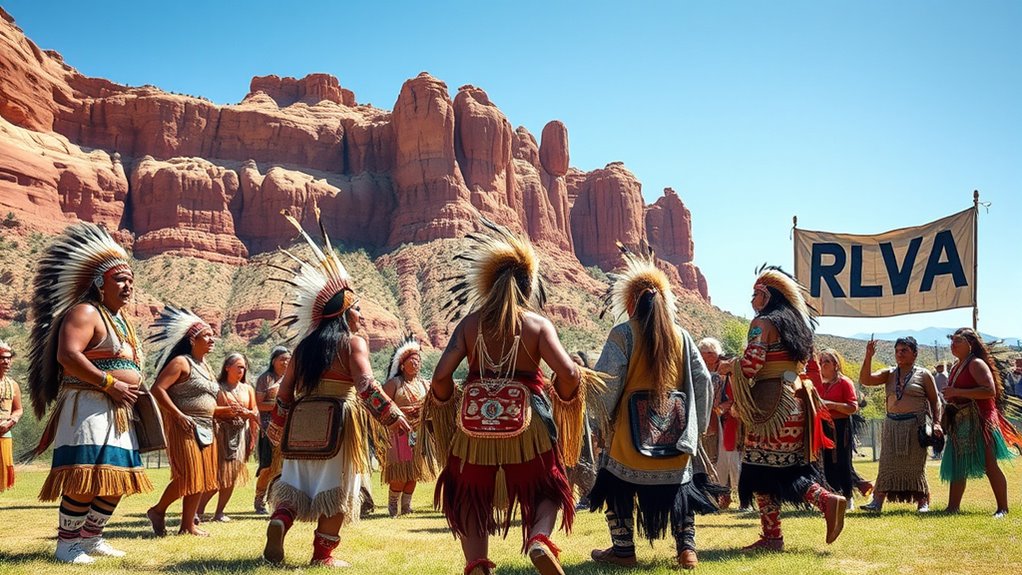
You can see how Native American movements have pushed for stronger rights and recognition in South Dakota, especially since the 1973 Wounded Knee occupation. Many tribes are revitalizing their cultures through ceremonies, language programs, and advocacy efforts. At the same time, urban Native Americans face unique challenges balancing their traditions with everyday life. Implementing well-being tips can support mental health and community resilience amid these cultural revival efforts.
Indigenous Rights Advocacy
What drives the ongoing fight for Indigenous rights in South Dakota? You’re motivated by a desire to protect sacred lands, preserve cultural traditions, and gain recognition of treaty rights. Native communities have historically faced displacement, broken treaties, and marginalization. Movements like AIM (American Indian Movement) have challenged these injustices, *especially* through the 1973 Wounded Knee occupation. Today, advocacy efforts focus on securing land rights, protecting sacred sites like the Black Hills and Pipestone Quarry, and fighting for sovereignty. You see the importance of cultural preservation in language revitalization and ceremonial practices. Despite setbacks, Native Americans actively push for justice, asserting their identities and rights in legal battles, protests, and community-led initiatives. Your commitment helps *guarantee* their voice remains strong in shaping South Dakota’s future. Recognizing the significance of dream symbols can deepen understanding of cultural expressions and spiritual beliefs within Native communities.
Cultural Revival Movements
Native American communities in South Dakota have experienced a powerful resurgence through cultural revival movements that emphasize reconnecting with traditions, language, and spiritual practices. You see this in efforts to revive native ceremonies like the Sun Dance and Medicine Dance, which hold deep spiritual meaning. Tribes are actively teaching their languages to younger generations, ensuring their heritage remains alive. Cultural events, powwows, and storytelling festivals celebrate Sioux traditions and strengthen community bonds. Indigenous artists create works that honor their history, while elders pass down sacred knowledge. These movements also focus on reclaiming sacred sites like the Black Hills and Pipestone Quarry, asserting their cultural and spiritual significance. Additionally, efforts to incorporate high-quality projectors into cultural centers help preserve and showcase Native American art and storytelling. Through these efforts, you help preserve South Dakota’s rich Native American heritage for future generations.
Urban Native Challenges
Despite efforts to preserve their cultural heritage, Native Americans living in urban areas face significant challenges in maintaining their traditions and identities. You might find it difficult to access cultural practices, languages, and ceremonies that are deeply rooted in reservations. Mainstream society often pressures you to conform, making it harder to celebrate and pass down your heritage. Many struggle with feelings of disconnection from ancestral lands and community support. While organizations and cultural centers work to revive traditions, balancing modern life with cultural roots remains tough. Discrimination, economic barriers, and limited access to elders or cultural mentors further complicate this. Additionally, the use of trustworthiness of Patchology skincare products highlights the importance of authenticity and quality, which can be a parallel to the need for genuine cultural preservation. Yet, you continue to find ways—through language classes, cultural events, and activism—to keep your heritage alive and strengthen your identity in urban settings.
The Nine Tribes and Reservation Life
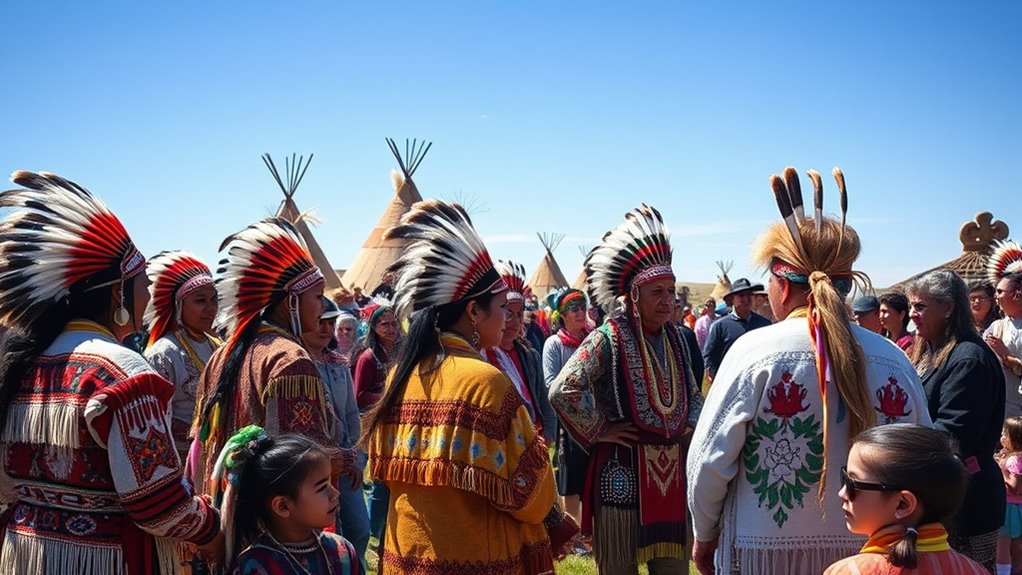
South Dakota is home to nine federally recognized tribes, each with its own unique history, culture, and governance. You’ll find that reservations like Pine Ridge, Rosebud, and Cheyenne River serve as the primary homes for many Native people today. These communities maintain traditional practices such as ceremonies, language preservation, and storytelling, despite past hardships. Life on the reservations involves balancing contemporary challenges with cultural renewal efforts, including language revitalization and cultural education. Tribal governments work to protect heritage sites, enforce treaty rights, and develop economic opportunities like gaming enterprises. You’ll see a strong sense of community and resilience across these reservations. While modern influences shape daily life, the deep connection to ancestral lands and cultural traditions remains a core aspect of reservation life.
Sacred Lands: Black Hills and Pipestone Quarry

The sacred lands of the Black Hills and Pipestone Quarry hold deep spiritual and cultural significance for the Lakota, Dakota, and other tribes. These sites are more than just landscapes; they are living symbols of identity, spirituality, and history. The Black Hills, or “Paha Sapa,” are considered the spiritual heart of the tribes, representing creation stories and ancestral connections. The Pipestone Quarry provides the sacred red stone used to craft ceremonial pipes, essential for spiritual practices. The preservation of these sites is crucial for maintaining the cultural heritage of indigenous communities and ensuring that their traditions are passed down through generations.
Contemporary Native Communities and Cultural Preservation

Have you ever wondered how Native communities in South Dakota are working today to preserve their rich cultural heritage? You’re part of a vibrant effort where tribes engage in ceremonies, language revitalization, and cultural education. Many leaders and youth participate in powwows, traditional dances, and storytelling to keep traditions alive. Tribes also work to protect sacred sites and historic landmarks, ensuring their significance endures.
| Native Initiatives | Community Activities |
|---|---|
| Language Revitalization | Cultural Festivals |
| Sacred Site Preservation | Tribal Education Programs |
| Youth Engagement | Traditional Arts and Crafts |
| Legal Land Protections | Elder-Led Ceremonies |
Frequently Asked Questions
How Have Native Languages Been Preserved Despite Historical Suppression?
You can see that Native languages have been preserved through community efforts, cultural revitalization programs, and education initiatives. Native tribes actively teach their languages in schools, hold language classes, and incorporate them into ceremonies and daily life. Many elders pass down traditional stories and vocabulary, while tribal organizations develop language apps and resources. These collective actions help keep the languages alive, honoring cultural heritage despite past suppression and ongoing challenges.
What Roles Do Ceremonial Dances Play in Dakota and Lakota Cultures?
Ceremonial dances serve as essential expressions of Dakota and Lakota spirituality, community, and cultural identity. You participate in these dances to honor ancestors, seek spiritual guidance, and reinforce traditions. Through rhythmic movements, singing, and drumming, you connect with your heritage and the natural world. These dances also serve to pass cultural knowledge to younger generations, strengthening bonds and ensuring the continued vibrancy of your tribes’ spiritual and cultural legacy.
How Do Tribes Collaborate With Government Agencies Today?
You can see tribes collaborating with government agencies through shared efforts to preserve sacred sites, protect natural resources, and promote cultural education. They participate in consultations, providing input on policies affecting their lands and traditions. Many also work together on economic development projects, like gaming enterprises and tourism, while advocating for their rights. These partnerships aim to respect tribal sovereignty, support cultural revitalization, and guarantee the protection of important heritage sites.
In What Ways Do Native Communities Sustain Traditional Arts and Crafts?
You can see Native communities actively sustain traditional arts and crafts through workshops, cultural festivals, and educational programs that teach skills like pottery, beadwork, and quillwork. Many tribes pass down techniques orally and through hands-on training, ensuring these traditions thrive. They also incorporate traditional arts into ceremonies and sell handcrafted items to support their culture and economy. This ongoing effort helps preserve and honor their rich artistic heritage for future generations.
What Are Current Efforts to Protect Sacred Sites Like Black Hills?
You can support efforts to protect sacred sites like the Black Hills by advocating for tribal sovereignty and opposing land seizures. Join or donate to organizations working on legal battles and preservation projects. Raise awareness through education and social media, and respect tribal voices in decision-making processes. Your actions can help guarantee these culturally essential locations remain protected and accessible for future generations, honoring their spiritual and cultural significance.
Conclusion
Imagine South Dakota as a vast, ancient tree, its roots deep in Native history and culture. As you walk its trails, you carry the stories of tribes, sacred lands, and resilience. By honoring these roots, you help nurture its branches—its vibrant communities and traditions—ensuring they flourish for generations. Remember, you’re part of this living history, helping preserve the rich tapestry that makes South Dakota truly unique and enduring.