Louisiana’s cuisine blends French, Spanish, African, Native American, and Caribbean influences, creating bold, hearty flavors. You’ll find signature dishes like gumbo, jambalaya, and crawfish étouffée, made with the Holy Trinity and fresh seafood. Techniques like slow simmering and roux-building add depth. The state celebrates its food through festivals, embracing tradition while experimenting with modern twists. Exploring more reveals how Louisiana’s rich culinary heritage continues to evolve and inspire.
Key Takeaways
- Louisiana cuisine is a fusion of French, Spanish, African, Native American, and Acadian influences, creating diverse regional flavors.
- Signature dishes like gumbo, jambalaya, and red beans and rice showcase the use of the “Holy Trinity” and seafood.
- Traditional cooking techniques include slow simmering, roux preparation, and seafood boils that foster community and resourcefulness.
- Creole and Cajun cuisines offer distinct styles—refined versus rustic—each with unique ingredients, spices, and presentation methods.
- Modern twists involve innovative ingredients and techniques, blending tradition with contemporary trends to preserve and evolve Louisiana’s culinary legacy.

Louisiana Fish Fry Gumbo Base 5 oz. (Pack of 2) – Authentic Cajun Flavor in a Delicious Gumbo Base – Just Add Your Choice of Meat and or Seafood
Authentic Louisiana Cajun Flavor: Every 5 oz. (pack of 2) Gumbo Base is perfect for creating delicious and…
As an affiliate, we earn on qualifying purchases.
As an affiliate, we earn on qualifying purchases.
The Roots of Louisiana Culinary Heritage

Louisiana’s culinary heritage is a rich tapestry woven from the diverse cultures that settled in the region. You’ll find French, Spanish, African, Native American, and Acadian influences shaping the local flavors. When the Acadians were expelled from Canada in the 1700s, they brought their rustic French cooking, which evolved into Cajun cuisine using local ingredients. Meanwhile, Creole cuisine emerged in New Orleans, blending French techniques with African, Spanish, and Caribbean flavors. Native American ingredients like sassafras and methods became integral, especially in dishes like gumbo. Over time, immigrant groups such as Germans and Italians added their own ingredients and techniques, broadening Louisiana’s culinary landscape. This melting pot of cultures created a vibrant, bold, and unique culinary identity that continues to thrive today.

Zatarain's New Orleans Style Creole Seasoning, 8 oz
Blend of New Orleans-inspired spices
As an affiliate, we earn on qualifying purchases.
As an affiliate, we earn on qualifying purchases.
Signature Ingredients and Flavor Foundations

What truly sets Louisiana cuisine apart are its signature ingredients and bold flavor foundations. You’ll find the “Holy Trinity”—bell peppers, onions, and celery—forming the backbone of many savory dishes. Seafood like shrimp, crawfish, and oysters provides fresh, briny flavors, while pork and chicken add richness and depth. Spices such as cayenne and black pepper give dishes their characteristic heat and spice. Thickening agents like okra and filé powder, along with roux, create hearty textures and complex flavors. Vegetables like corn, potatoes, and seasonal produce enhance the dishes’ robustness. These ingredients come together to craft bold, hearty flavors that define Louisiana’s culinary identity, making each bite a celebration of its diverse cultural influences.
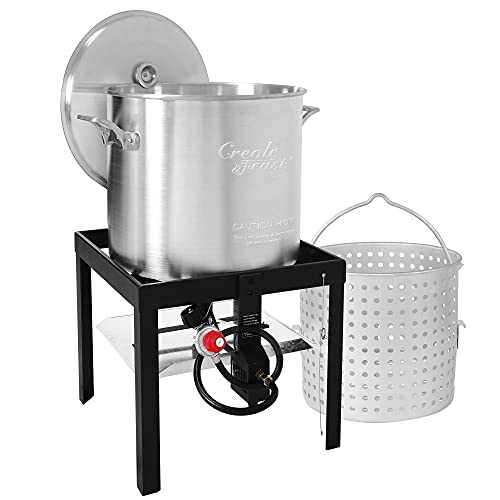
Creole Feast SBK1001 100 Qt Seafood Boiling Kit with Strainer, Outdoor Seafood Boil Pot and Basket with 100,000 BTUs Propane Burner and 10 PSI Regulator, Black & Silver
This appliance is not for frying turkey, please wear high heat-resistant gloves when touching the handle during boiling
As an affiliate, we earn on qualifying purchases.
As an affiliate, we earn on qualifying purchases.
Classic Cajun and Creole Dishes

You’ll find that signature stews and soups like gumbo showcase Louisiana’s rich culinary history, blending native ingredients and bold spices. Iconic rice dishes such as jambalaya reflect the influence of Spanish and French traditions, offering hearty, flavorful meals. These classics highlight the region’s love for one-pot cooking that brings people together around vibrant, satisfying flavors. Additionally, many of these dishes are celebrated in traditional festivals, emphasizing their importance in Louisiana’s cultural identity.
Signature Stews and Soups
Signature stews and soups stand at the heart of Louisiana’s culinary tradition, showcasing a rich blend of flavors and cultural influences. You’ll find these dishes packed with bold spices, hearty proteins, and local ingredients. Here’s what makes them special:
- Gumbo: A thick, savory stew with okra or filé powder, featuring seafood, chicken, or sausage, often served over rice.
- Red Beans and Rice: A simple, comforting dish slow-cooked with pork bones or smoked sausage, perfect for family gatherings.
- Crawfish Étouffée: A spicy, roux-based stew with crawfish, bell peppers, onions, and celery, served over rice for a satisfying meal.
These dishes reflect Louisiana’s resourcefulness, community spirit, and bold flavors, making them timeless staples.
Iconic Rice Dishes
Rice is the foundation of many of Louisiana’s most beloved dishes, serving as a versatile base that absorbs bold flavors and hearty ingredients. You’ll find it at the heart of classic Cajun and Creole meals like jambalaya and red beans and rice. Jambalaya, inspired by Spanish paella, combines rice with meats such as sausage, chicken, or seafood, seasoned with spices and vegetables. Creole jambalaya often includes tomatoes, giving it a vibrant color and flavor, while Cajun versions omit them for a spicier, earthier taste. Red beans and rice, typically cooked with smoked sausage or ham hocks, is a hearty, slow-simmered dish perfect for family gatherings. These rice dishes embody Louisiana’s love for bold flavors, communal eating, and resourceful cooking. Cultural significance of rice in Louisiana’s culinary traditions highlights its role in fostering community and celebrating regional identity.

HVY 13" ROUX SPOON 7032
Heavy Duty Construction: Built to last with robust stainless steel material
As an affiliate, we earn on qualifying purchases.
As an affiliate, we earn on qualifying purchases.
Traditional Cooking Techniques and Meal Practices

Traditional Louisiana cooking techniques emphasize slow, resourceful methods that highlight bold flavors and communal sharing. You’ll find that dishes often simmer for hours to develop rich, layered tastes. When preparing gumbo, you start with a roux—either medium or dark—and cook it slowly to build depth. For seafood boils, you boil crawfish or shrimp with seasonings, vegetables, and spices, making it a festive, shared event. Additionally, leftovers are repurposed creatively, like using smoked ham hocks in red beans and rice or adding vegetables to stretch ingredients further. To encapsulate:
Louisiana cooks master slow, flavorful dishes using techniques like roux, boiling, and creative leftovers for community-rich meals.
- Slow-cooking and simmering create complex flavors.
- Roux preparation adds richness and texture.
- Boiling and seasoning seafood or meats foster community and celebration.
Regional Culinary Identity and Influences

Louisiana’s culinary identity is shaped by a rich tapestry of regional influences that reflect its diverse history and geography. You’ll notice the blend of French, Spanish, African, Native American, and Acadian cultures, each adding unique flavors and techniques. In rural areas, Cajun cuisine emphasizes hearty, rustic dishes made with local ingredients like crawfish, pork, and wild game. Meanwhile, New Orleans’ Creole cuisine offers a more refined, cosmopolitan approach, incorporating European spices, exotic ingredients, and French cooking methods. Native American ingredients like filé powder and okra also play essential roles. Over time, immigrant groups from Germany and Italy, among others, have further enriched Louisiana’s food scene, creating a vibrant, complex culinary tapestry that’s both rooted in tradition and continually evolving. The diverse regional ingredients further contribute to the uniqueness of Louisiana’s culinary landscape.
Celebrating Louisiana Food Through Festivals

Festivals across Louisiana turn local cuisine into lively celebrations that showcase the state’s rich culinary heritage. You get to experience firsthand how food brings people together, honoring traditions and community spirit. Here’s what makes these festivals special:
Louisiana festivals celebrate food, tradition, and community with lively, flavorful gatherings.
- Crawfish Boils: These gatherings feature steaming crawfish seasoned with spices, often shared outdoors, creating a festive, communal vibe.
- Jambalaya Contests: Local chefs and home cooks compete to make the best jambalaya, highlighting regional variations and secret recipes.
- Gumbo Festivals: Celebrations centered around this beloved stew showcase different styles—Creole, Cajun, or seafood—and offer tastings for everyone. The use of traditional ingredients like okra, filé powder, and andouille sausage reflects Louisiana’s diverse cultural influences.
Through these festivals, you not only enjoy authentic flavors but also connect with Louisiana’s vibrant cultural identity and culinary pride.
Modern Twists and Evolving Food Trends

You’re seeing chefs blend traditional Louisiana flavors with modern culinary techniques, creating exciting fusion dishes. Creative ingredient combinations, like adding vegetables or fruits to classic seafood boils, are gaining popularity. These innovations keep Louisiana’s culinary scene vibrant while honoring its rich heritage. Additionally, chefs are incorporating high-quality home decor and gift ideas into their presentation styles, elevating the dining experience with stylish and unique tableware.
Fusion of Traditional and New
Modern chefs and home cooks are increasingly blending Louisiana’s rich culinary traditions with innovative ingredients and techniques, creating exciting new flavors and dishes. You might try:
- Adding mushrooms, artichokes, or pineapple chunks to crawfish boils for a fresh twist.
- Using a roux to make gumbo year-round, incorporating new proteins like tofu or smoked fish.
- Reimagining jambalaya by swapping traditional rice for cauliflower or quinoa, blending health trends with classic flavors.
- Exploring cybersecurity measures to protect your culinary data and recipes from digital threats.
This fusion keeps the essence of Louisiana cuisine alive while embracing contemporary tastes. You’re not just recreating old recipes—you’re elevating them with creative ideas. These modern adaptations allow you to honor tradition while exploring new culinary horizons, making every dish uniquely yours.
Creative Ingredient Combinations
Creative ingredient combinations are transforming Louisiana cuisine by blending traditional flavors with contemporary food trends. You might see crawfish boiled with mushrooms, artichokes, or pineapple, adding surprising twists. Chefs are mixing classic jambalaya with international spices or incorporating avocado for creaminess. Modern cooks experiment with ingredients like kale, quinoa, or even coconut milk, infusing new textures and flavors into familiar dishes. These innovative pairings keep the cuisine fresh and exciting, appealing to evolving tastes.
| Ingredient | Traditional Use | Modern Twist |
|---|---|---|
| Okra | Gumbo, stews | Roasted or grilled |
| Rice | Jambalaya, red beans | Quinoa or wild rice |
| Seafood | Creole dishes | Sushi-style or ceviche |
Modern Culinary Techniques
Louisiana chefs are increasingly experimenting with innovative culinary techniques and fresh ingredients, transforming traditional dishes to suit contemporary tastes. They’re blending old favorites with new trends to keep the cuisine vibrant. For example:
- They incorporate ingredients like mushrooms, pineapple, and Brussels sprouts into crawfish boils, adding surprising flavors.
- Gumbo recipes now often combine traditional filé powder with modern herbs and spices, creating personalized variations.
- Chefs are using sous-vide methods to precisely cook proteins, enhancing tenderness and flavor while maintaining authentic Louisiana flavors.
- The use of modern kitchen equipment and techniques allows for greater consistency and creativity in preparing traditional dishes.
These techniques allow you to enjoy the rich culinary history of Louisiana while embracing modern trends. With a focus on fresh ingredients and innovative methods, Louisiana cuisine continues to evolve, appealing to both traditionalists and adventurous eaters alike.
Preserving and Innovating Louisiana’s Gastronomic Legacy

Preserving Louisiana’s rich culinary legacy requires a delicate balance between honoring traditional techniques and adapting to contemporary tastes. You can achieve this by respecting time-honored methods like roux-making and seasoning, while also exploring new ingredients and presentation styles. Chefs and home cooks are blending classic dishes with modern twists, creating innovative flavors that appeal to today’s diners. To understand this evolution, consider the following:
| Tradition | Innovation | Impact |
|---|---|---|
| Classic gumbo with filé | Vegan gumbo with plant-based proteins | Broader audience appeal |
| Cajun boudin sausages | Gourmet stuffed boudin | Elevated culinary experience |
| Crawfish boils with seasonings | Exotic ingredients like pineapple | New flavor combinations |
| Sunday red beans & rice | Fusion dishes blending Creole and international cuisines | Cultural preservation with modern flair |
This synergy keeps Louisiana’s culinary legacy vibrant and relevant, especially as chefs incorporate natural materials like local herbs and spices to enhance authentic flavors.
Frequently Asked Questions
How Do Cajun and Creole Cuisines Differ in Flavor and Presentation?
You’ll notice Cajun and Creole cuisines differ mainly in flavor and presentation. Cajun dishes are hearty, rustic, and spicier, often using simple ingredients like the “Holy Trinity” and smoked meats, served in casual, one-pot meals. Creole cuisine is more refined, with complex flavors from spices, tomatoes, and herbs, often presented elegantly. It combines European influences with local ingredients, reflecting New Orleans’ cosmopolitan heritage.
What Role Does Native American Cuisine Play in Louisiana Cooking?
Native American cuisine influences Louisiana cooking by introducing ingredients like filé powder, made from ground sassafras leaves, which thickens dishes like gumbo and adds unique flavor. You’ll also find Native techniques, such as using local herbs and wild ingredients, incorporated into traditional recipes. These contributions help create the bold, hearty flavors that define Louisiana dishes, blending seamlessly with other cultural influences to make the cuisine rich and diverse.
Which Ingredients Are Unique to Louisiana’s Traditional Dishes?
You’ll find ingredients like filé powder, made from sassafras leaves, symbolizing Native American resilience and flavor in Louisiana’s dishes. Okra’s unique touch reflects West African roots, adding both texture and history. These ingredients aren’t just components—they’re the heartbeat of Louisiana cuisine, embodying the rich, soulful blend of cultures that turn simple food into a celebration of life, community, and tradition.
How Do Festivals Influence the Preservation of Louisiana Culinary Traditions?
Festivals play a crucial role in preserving Louisiana’s culinary traditions by showcasing iconic dishes like gumbo, jambalaya, and crawfish boils. You get to experience authentic flavors and cooking techniques firsthand, keeping traditions alive. These events foster community spirit and pass down recipes through generations. By celebrating food culture publicly, festivals guarantee that the rich history and unique ingredients of Louisiana cuisine remain vibrant and appreciated for years to come.
What Are the Most Popular Modern Adaptations of Classic Dishes?
You’ll notice that modern adaptations of classic Louisiana dishes include experimenting with new ingredients like mushrooms, artichokes, and pineapple in crawfish boils, adding fresh flavors. Chefs also blend traditional gumbo and jambalaya with international spices or contemporary techniques, making them accessible year-round. These innovations keep the dishes exciting, while still honoring their roots. You can enjoy a mix of tradition and creativity, ensuring Louisiana’s culinary legacy stays vibrant and relevant today.
Conclusion
You’ll love discovering that Louisiana’s cuisine is a vibrant blend of history and innovation, with over 80% of its dishes rooted in traditions passed down through generations. By embracing both classic recipes and modern twists, you can truly experience the rich tapestry of flavors that define Louisiana. Celebrating its culinary heritage through festivals and new culinary trends ensures this delicious legacy remains alive and exciting for future generations. Immerse yourself and savor every bite!